
Multi-Stage Scheduling

In the automotive industry, the entire supply chain is driven by the assembly line sequence. Links within the chain are relied upon to produce and deliver parts on time to avoid shortages in subsequent links.
No resources found for this author.
In the automotive industry, the entire supply chain is driven by the assembly line sequence. Links within the chain are relied upon to produce and deliver parts on time to avoid shortages in subsequent links.
Today most production managers are participating in a race, whether they know it or not. It’s the race to adopt and implement new manufacturing systems and technologies.

A digital twin is a digital representation of a real-world entity that contains both the structure and the dynamics of the real-world entity. It is connected to its real-world counterpart, so it continuously updates itself representing a near real-time status of its real counterpart.
Industry 4.0 envisages a flexible network of connected Cyber Physical Systems (CPS), working autonomously and self-optimizing performance across the network.

Investing in any new system for your business can have far-reaching consequences. Apart from the direct costs involved, you will be conscious of the time and resources required to implement the system and whether you will be able to realise the promised benefits for your business. Many of the so-called ‘shop-floor data collection’ (SFDC) …

Revenue per full-time employee – why it’s a waste of your time… The chances are that the way you measure the productivity of your workforce is to calculate revenue or profit per full-time equivalent, or FTE. The beauty of this ratio is its simplicity. You take the net revenue for a given period and divide …
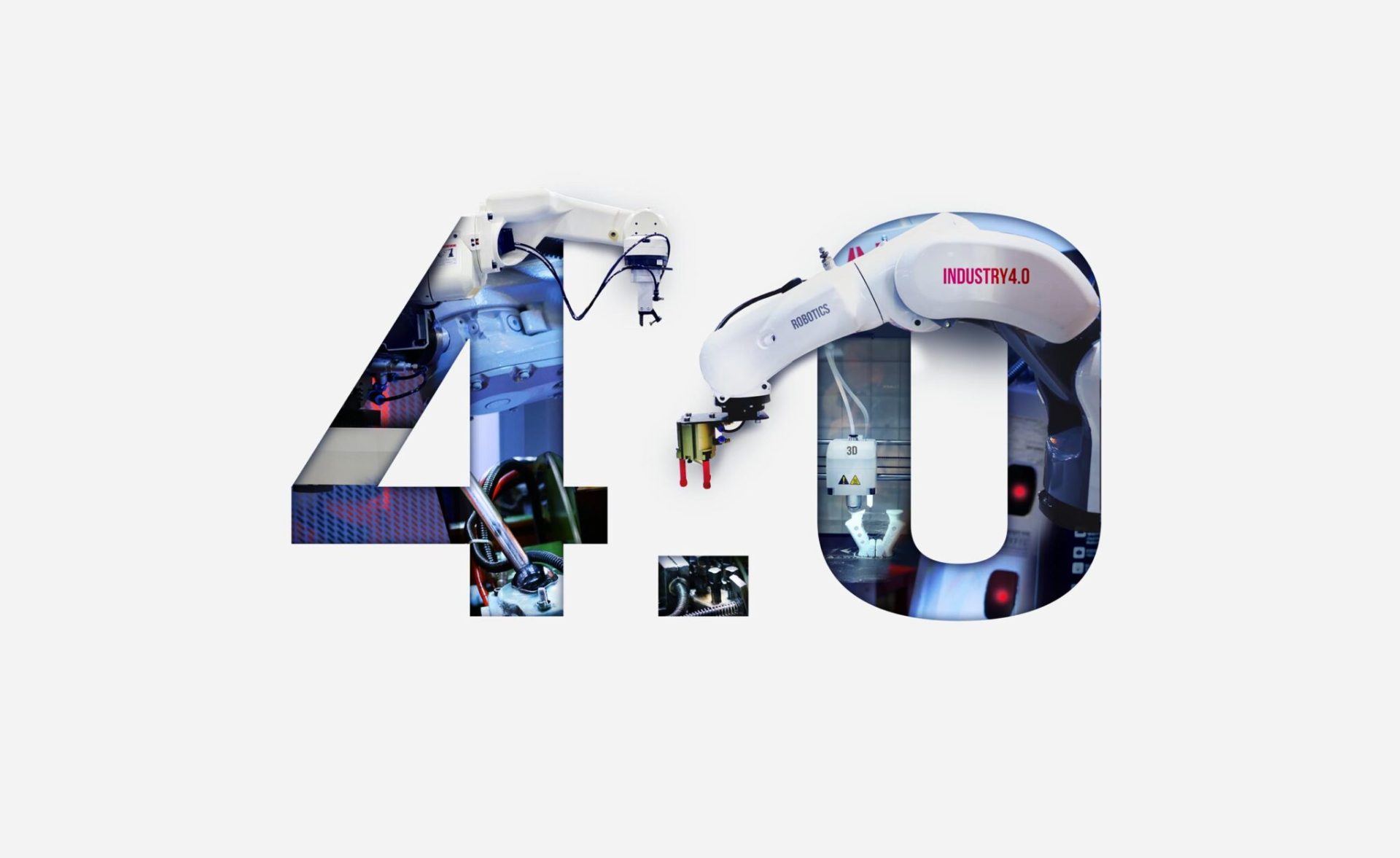
Industry 4.0, smart manufacturing, big data, IoT, advanced manufacturing intelligence… you’ve heard all the buzzwords, but what do they really mean, and what’s their relevance to your manufacturing business?

James Womack, author of the best-selling business classic text ‘Lean Thinking’, tells the story of how he challenged his children to an envelope-stuffing competition.

Are you still spending time on spreadsheets adjusting production plans and schedules? If so, you are not alone.
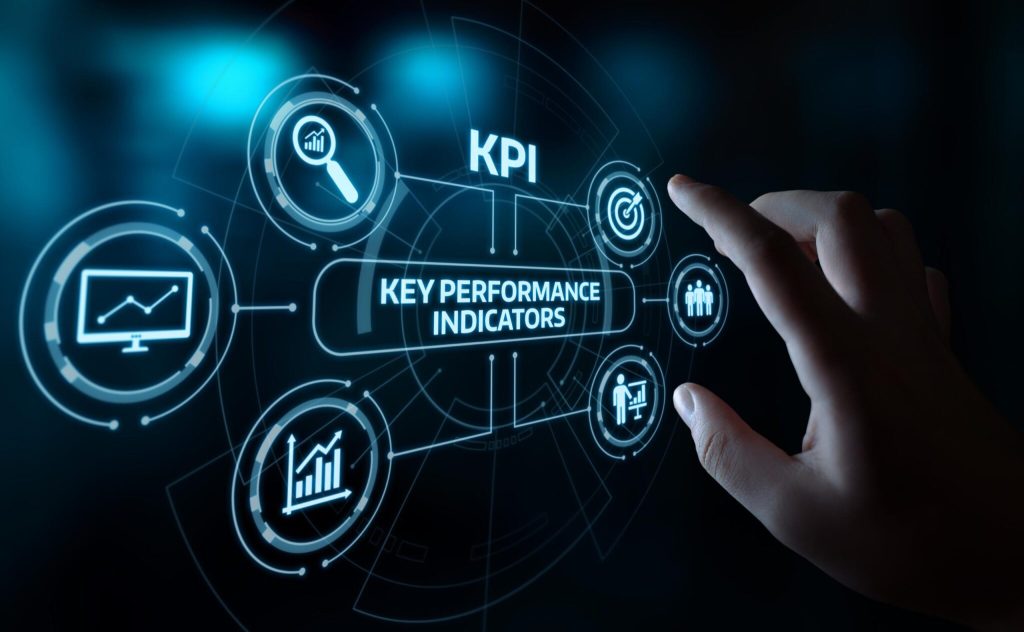
Depending on the systems and processes you have in place on your factory floor, you may face one of two problems; either you don’t know which key performance indicators (KPIs) you should track to enable you to improve your factory performance, or you are unable to collect sufficient data to accurately measure the KPIs you want to track.

Optimize factory operations and multi-factory supply chains with intelligent planning, scheduling, and execution.
Request DemoGet the latest insights on smart manufacturing, product updates, industry events, and upcoming webinars—delivered straight to your inbox.
© 2026 Eyelit Technologies | Privacy Policy