
Trusted by the World’s Leading Companies






Real Insights and Real Results
Case studies and practical outcomes from complex manufacturing operations.
 Case Study
8 steps to improve plant performance
According to the Office for National Statistics (ONS), output per worker in the UK fell by 0.1 per cent in the first quarter of 2026 compared with a…
Read more →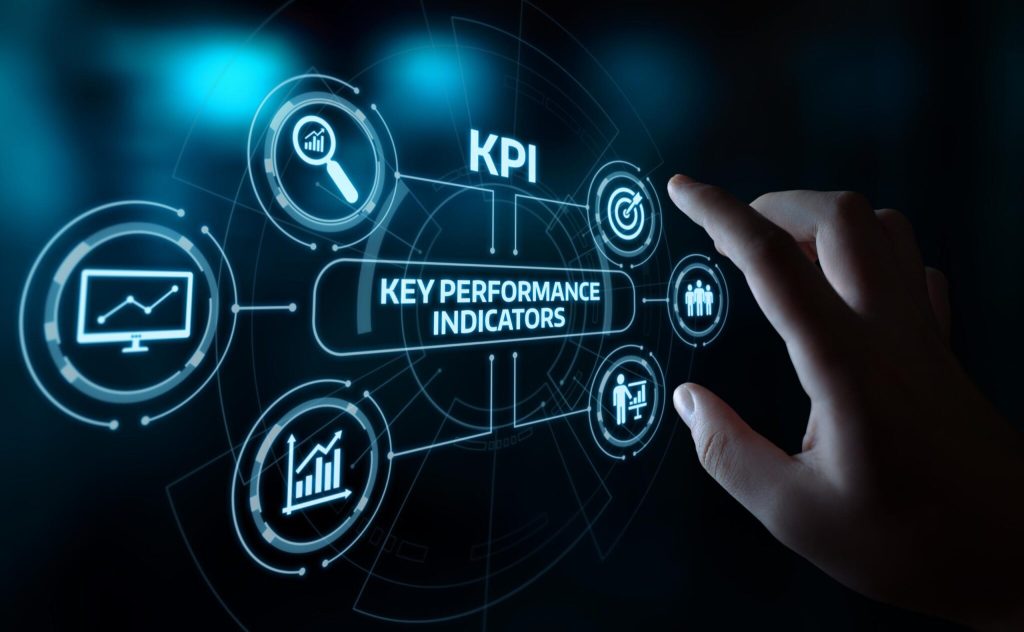 Case Study
6 Essential KPIs for Manufacturing Performance
Depending on the systems and processes you have in place on your factory floor, you may face one of two problems; either you don’t know which key performance…
Read more → Case Study
Why Are You Still Using Spreadsheets for Production Planning & Scheduling?
Are you still spending time on spreadsheets adjusting production plans and schedules? If so, you are not alone.
Read more → Case Study
How to turn small batch manufacturing from problem to opportunity
James Womack, author of the best-selling business classic text ‘Lean Thinking’, tells the story of how he challenged his children to an envelope-stuffing competition.
Read more → Case Study
Industry 4.0: don’t get left behind
Industry 4.0, smart manufacturing, big data, IoT, advanced manufacturing intelligence… you’ve heard all the buzzwords, but what do they really mean, and what’s their relevance to your manufacturing…
Read more → Case Study
Revenue per full-time employee – why it’s a waste of your time…
Revenue per full-time employee – why it’s a waste of your time… The chances are that the way you measure the productivity of your workforce is to calculate…
Read more → Case Study
Five must-have features for your next shop floor data collection system
Investing in any new system for your business can have far-reaching consequences. Apart from the direct costs involved, you will be conscious of the time and resources…
Read more → Case Study
Planning and Scheduling – A Key Enabler of Industry 4.0 Transformation
Industry 4.0 envisages a flexible network of connected Cyber Physical Systems (CPS), working autonomously and self-optimizing performance across the network.
Read more →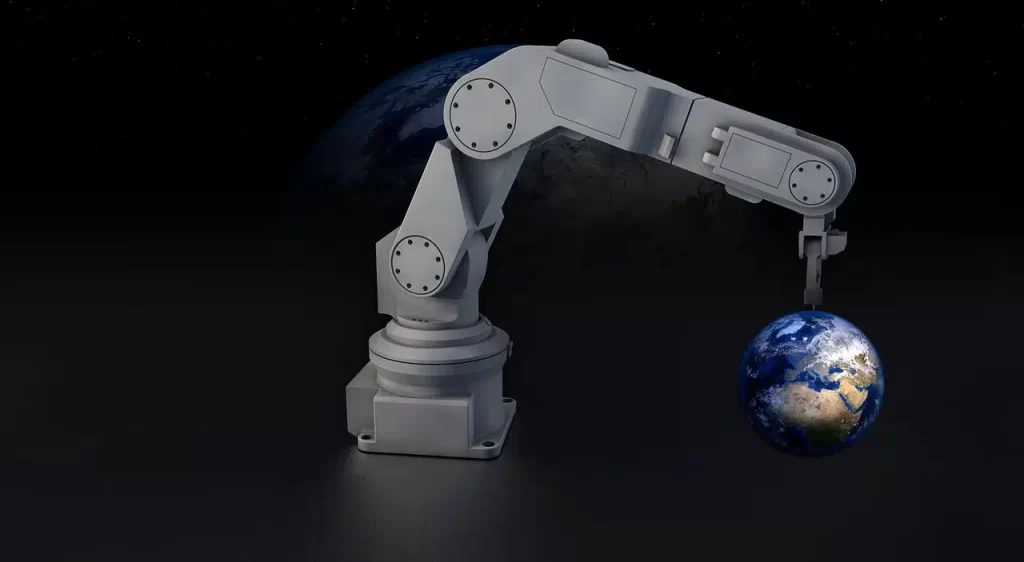 Case Study
The Digital Twin’s Role in the Production Environment
A digital twin is a digital representation of a real-world entity that contains both the structure and the dynamics of the real-world entity. It is connected to its…
Read more → Case Study
Industry 4.0 Implementation and Strategy
Today most production managers are participating in a race, whether they know it or not. It's the race to adopt and implement new manufacturing systems and technologies.
Read more → Case Study
Multi-Stage Scheduling
In the automotive industry, the entire supply chain is driven by the assembly line sequence. Links within the chain are relied upon to produce and deliver parts on…
Read more → Case Study
How to Prepare for Supply Chain Automation & Stay Competitive
Market forces and technological advancements continue to accelerate the already unprecedented levels of information and product exchange around the world.
Read more →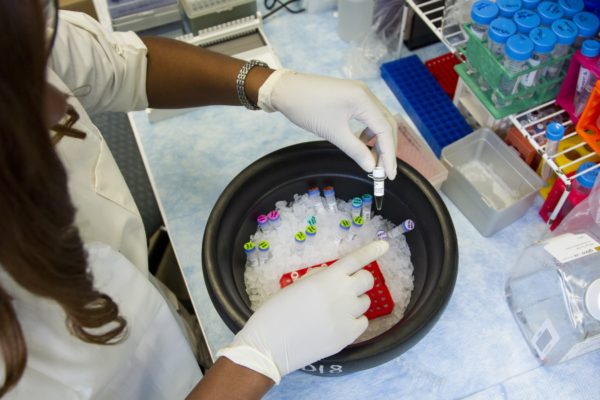 Case Study
Supercharging the Digital Twin with Planning & Scheduling 4.0
The digital twin is a powerful Industry 4.0 capability that is transforming manufacturing operations.
Read more → Case Study
Multi-Zone Sequencing
Eyelit Technologies MLS, versions 7.0 and beyond introduce multi-zone production sequencing, a new approach to optimization which can benefit plants with the need to generate a sequence for…
Read more → Case Study
How Can Manufacturers Become More Sustainable
The Automotive Industry Action Group (AIAG) is hosting a Virtual Corporate Responsibility Summit on April 28. Leading automotive manufacturers will come together to discuss production planning and scheduling,…
Read more →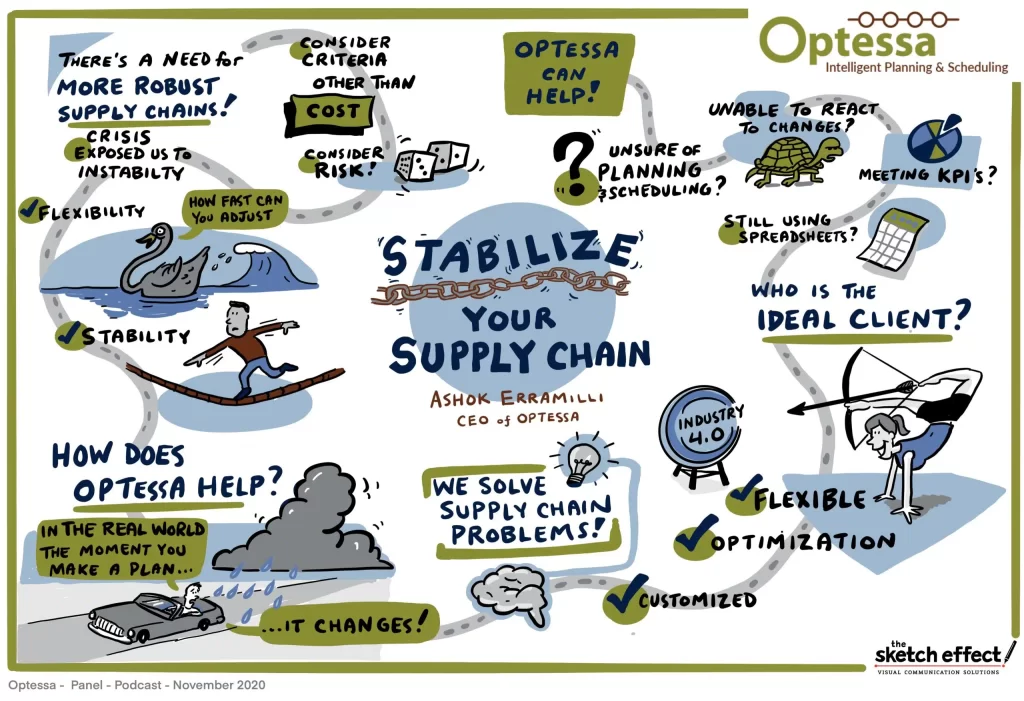 Case Study
Stabilize Your Supply Chain
Optessa Founder and CEO Ashok Erramilli discusses the power of data-driven analytics and the importance of achieving balance and stability in production management.
Read more → Case Study
5 COMPONENTS OF PRODUCTION SCHEDULING
Production Scheduling is "used in a manufacturing process to allocate plant and machinery resources, plan human resources, plan production processes and purchase materials". What are the components of…
Read more → Case Study
Eyelit’s Integrated Manufacturing System (MES) Selected and Deployed by WD Lab Grown Diamonds
TORONTO—(BUSINESS WIRE)—Eyelit, a manufacturing software provider for visibility, control, and coordination of manufacturing operations, announced today that WD Lab Grown Diamonds
Read more → Case Study
Enterprise Production Scheduling Solutions
Enterprise manufacturers need manufacturing scheduling software that can simultaneously simplify the complexity of the detailed scheduling process, boost the efficiency of the production process, and ensure on-time production…
Read more →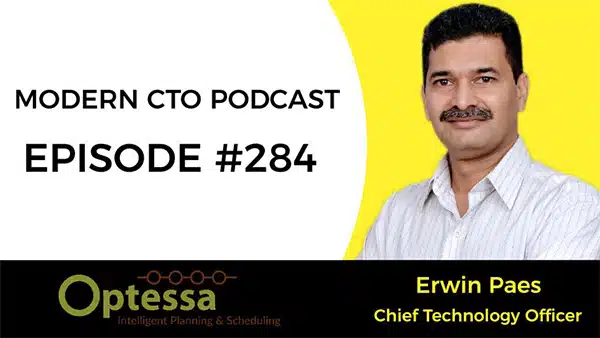 Case Study
Modern CTO Podcast | Episode #284 | Erwin Paes
Erwin Paes spoke with Modern CTO Podcast host Joel Beasley on the intricacies of planning and scheduling in manufacturing, how Optessa's greatest strength is their people, and the…
Read more →