Resource Capacity Planning
Resource capacity planning is the operations scheduling process that identifies available resources and capacity and makes sure that these integrate with the forecasted customer demand increases in the future.


Production management in the supply chain can be defined as the production planning and control process that oversees the transformation of inputs (raw-material, inventories, work-in-process) into outputs (finished goods). This operations management function includes production planning, operations scheduling, capacity planning, material requirements planning (MRP), and enterprise resource planning (ERP).
The master production schedule is produced by an advanced planning and scheduling system, a production management system that integrates with the manufacturing execution system (MES) and enterprise resource planning system. The APS system provides the constraint-based supply chain planning functionality and optimization that these production systems lack.
Batch scheduling helps manufacturers schedule the mixing of ‘recipe’ type products. This usually is confined to pharmaceutical ingredients, biotechnology processes, and any other field which requires a chemical process to take place or a mixing of certain ‘ingredients’, but it can extend beyond these too.
Production planning and scheduling is the supply chain management function that takes existing or forecasted purchase orders and optimizes the raw materials, work-in-process (WIP), inventories, machinery, and staffing resources to fulfill these goods while reducing costs.
Master scheduling software is a type of detailed scheduling tool and falls under the class of master production scheduling solutions. It is used to produce and optimize a master production schedule, which states what the company’s manufacturing operations expect to produce and what they need to purchase to accomplish this business goal.
Manufacturing scheduling is the process of optimizing the utilization of all available manufacturing resources including staffing, machinery, inventories, work-in-process (WIP), and the associated manufacturing processes to produce sales orders and maximize production efficiency.
Finite capacity planning is a production planning and scheduling strategy that assesses the production capacity of a manufacturing facility. With finite capacity-based planning, the maximum capacity of the facility and its resources — including available machinery, work centers, staffing, inventories, work-in-process (WIP) buffers, among other aspects — is calculated. Then manufacturing is scheduled according to this capacity.
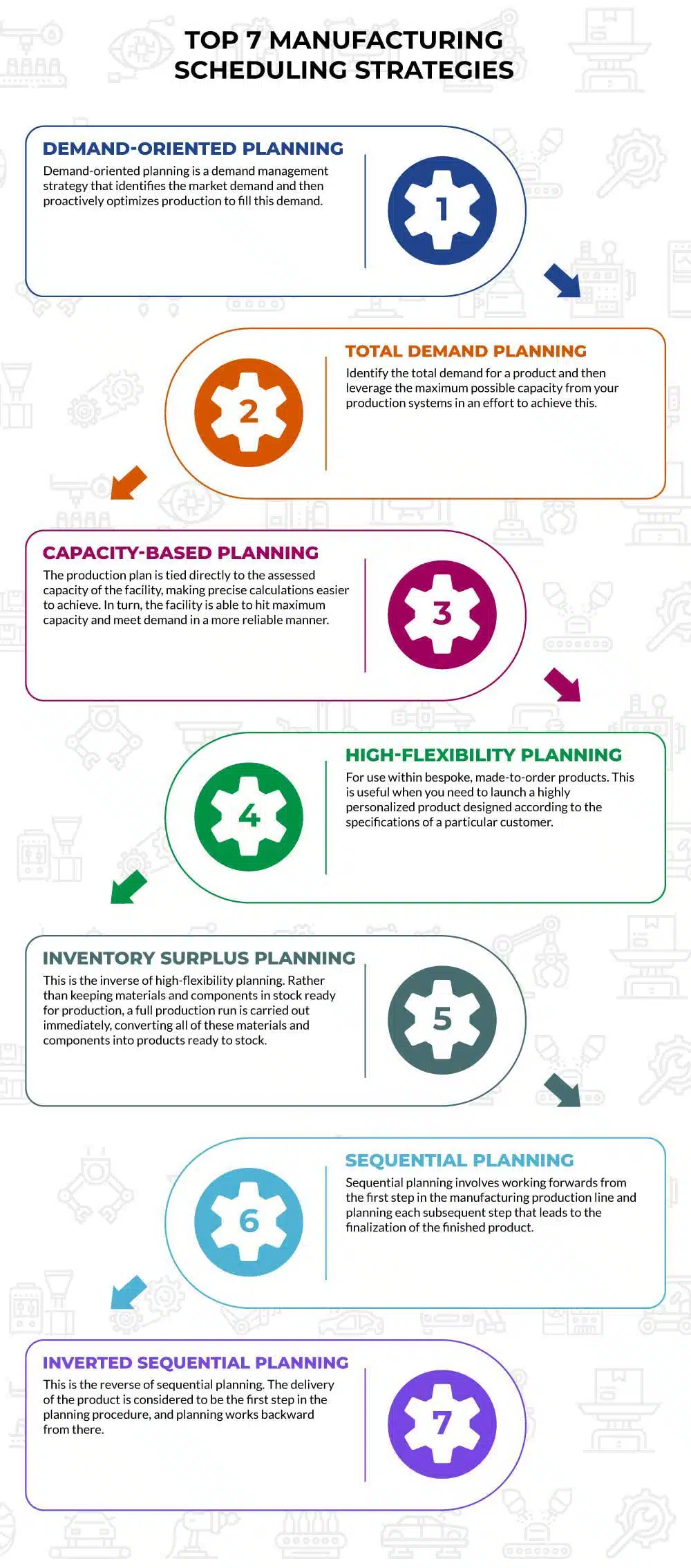
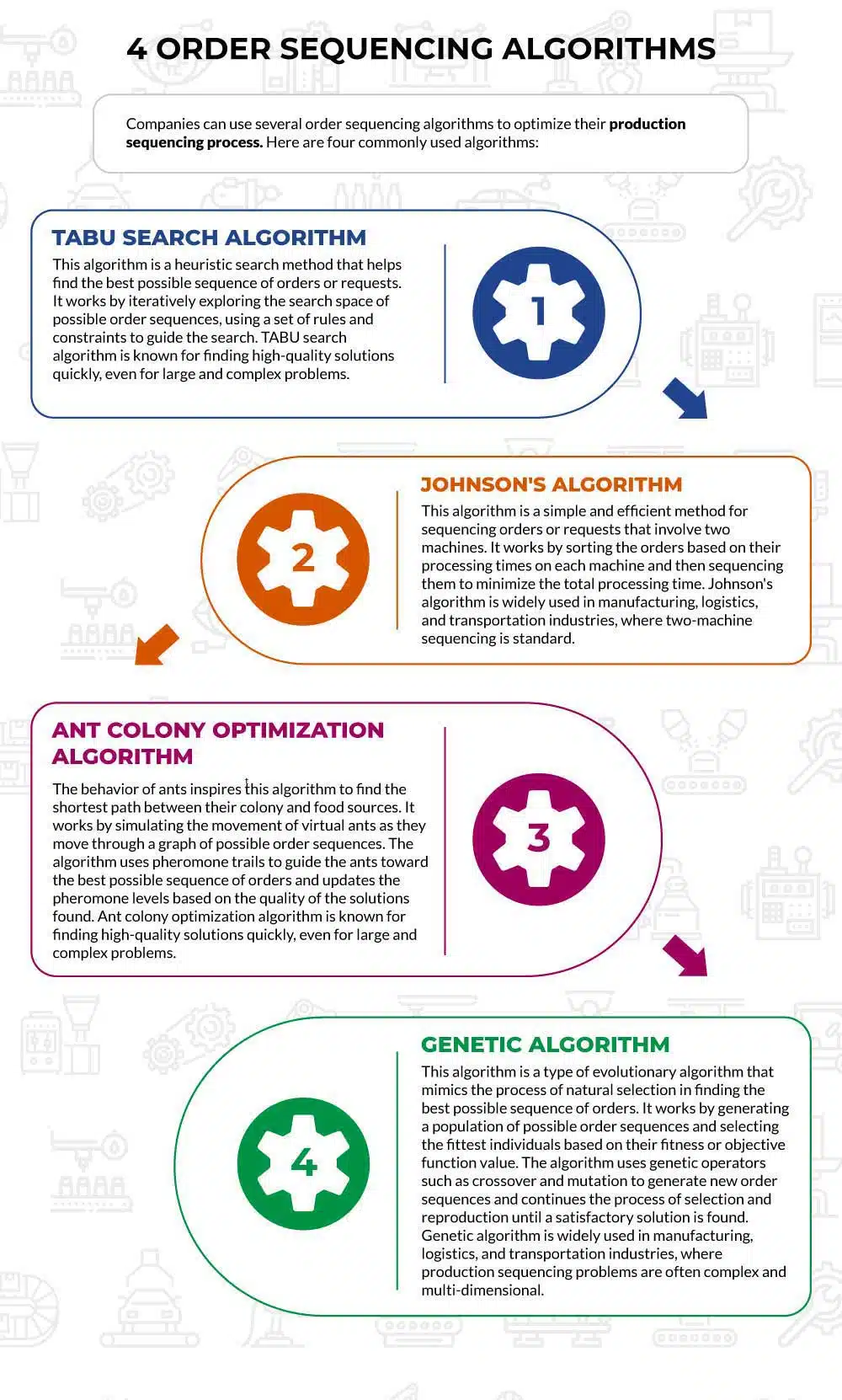
Order sequencing is a crucial process in manufacturing that involves arranging the production schedule of items to be manufactured in a particular order to minimize production time, increase efficiency, and improve profitability.
Courtesy of Guest Blogger Gina Tabasso, marketing director for dar-tech, inc., a regional specialty chemical and raw material distributor
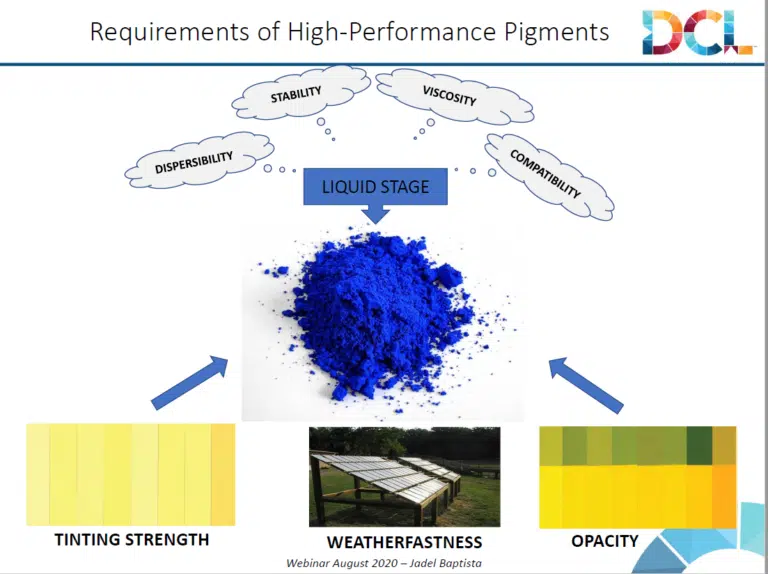
Automotive paints provide both protection and decoration for automobiles. Water-based paints currently are the most common types for reduced environmental impact. Contemporary automotive paint is applied in several layers that must all work together to provide the overall desired performance.