




Author: Johanna Coutinho
Play the Game: Are you ready for Industry 4.0?
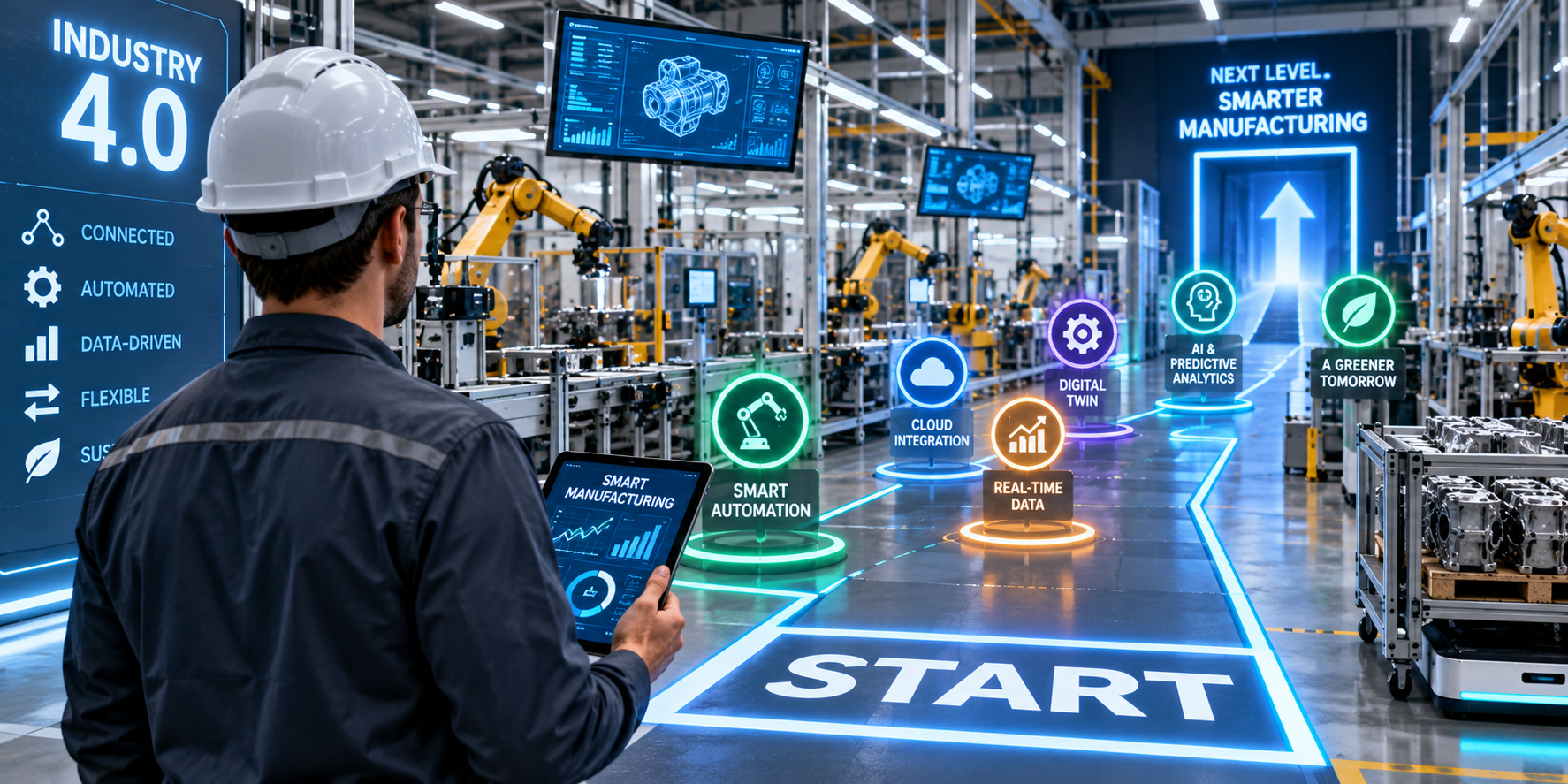
Play the Game: Are you ready for Industry 4.0? Let’s put your Industry 4.0 knowledge to the test with Eyelit Technologies interactive trivia quiz! Whether you’re a manufacturing expert or just exploring the world of digital innovation, this quick quiz is a fun way to challenge your understanding of the technologies and trends shaping the …
Where AI Falls Short: Why Optimization Still Needs Mathematical Muscle

LLMs excel at pattern recognition, probabilistic reasoning, and generating plausible outputs based on past data. However, real-world supply chain optimization involves: Combinatorial Complexity: Scheduling 100 jobs across 10 machines with constraints on timing, capacity, and precedence can create billions of feasible sequences. LLMs cannot search this solution space efficiently or deterministically. Feasibility Checking: A good …
Why Execution Always Varies from the Plan

Why Execution Always Varies from the Plan (and What That Really Means for Manufacturing Systems) Execution always varies from the plan. We know this, we plan for it, and we bake inefficiencies into the planning process to deal with that variability, extended order lead times, safety stock, lower planned machine utilization, overtime, expedited freight, and …
Taking Control of Cycle Times in Semiconductor Fabrication

Reducing manufacturing and planning cycle times is highly desirable in every industry. In the semiconductor industry, however, given the billions invested in fabrication lines and the backend, cycle time reduction can be enormously beneficial. The semiconductor frontend presents several unique characteristics, including shifting bottlenecks, a high mix of products, multiple products on a single wafer, …
Transformation Starts at the Top

Why Leadership Alignment and Strategic System Choices Matter More Than Ever The concept of digital transformation in manufacturing is now a familiar one. But while the language has settled into industry norms, the execution remains inconsistent, and often, disappointing. Why? Because transformation isn’t driven by tools. It’s driven by alignment. It’s easy to treat system …
Challenges of Electronics and Storage Manufacturing

Electronics and storage device manufacturers face ongoing operational and supply chain challenges due to internal disruptions, geopolitical events, and socioeconomic issues each day. Below are several key challenges that have significantly impacted their supply chains. Disruptions appear to be the biggest culprit, as events both within and outside the organization can wreak havoc on the …
Unlocking Buildable Schedules: The Case for Smarter Allocation

In today’s fast-paced manufacturing and supply chain landscape, achieving operational efficiency extends well beyond raw materials and manpower. It begins with one crucial foundation: buildable schedules. However, to reach this point, businesses must first address one of the most complex challenges in planning: order allocation. The Hidden Complexity of Order Allocation When we think about …
Embrace Digital Transformation for Lifelong Growth

Embrace Digital Transformation for Lifelong Growth The wheels of progress never come to a screeching halt, so neither should the evolution of your manufacturing processes. Begin embracing a digital transformation and recognize it as the first step in a lifelong journey of growth. It’s easy to think that such calls to action for digital transformations …
Cloud-Based Tools Driving Manufacturing Success

Due to the fast-paced environment of manufacturing, small and medium businesses are extensively tested in competitive markets. They need to meet customer expectations while staying cost-effective. To overcome a vast array of obstacles, manufacturers who decide to implement cloud-based Manufacturing Execution Systems (MES) and Advanced Planning and Scheduling (APS) solutions are making a smart move …
Smart Sequencing for Complex Assembly Line Optimization

Smart Sequencing for Complex Assembly Line Optimization Assembly line operations have become increasingly more complex from simpler setups producing a few products on dedicated lines to a much greater variety that can be produced on multiple lines, each with multiple line segments. Competing objectives between the different line segments e.g., grouping vs spacing; invalid back-to-back …