





Author: Eyelit Technologies
Breakfast Briefing Series – MES 101
Join us for a FREE breakfast, presentation, and a chat at the MTC – Manufacturing Technology Centre on Thursday 19/10/2023 08.30 – 10.30
Oracle’s award-winning early adopter MESTEC scores hat-trick

Oracle’s award-winning early adopter MESTEC scores hat-trick A UK technology specialist has built on a record year by securing a trio of high-profile contracts and prestigious global award. MESTEC, which has seen sales grow by over 50% since its acquisition by Eyelit Inc, will use its pioneering cloud-based Manufacturing Execution Systems (MES) solution to …
MESTEC takes to the stage at Oracle CloudWorld
Oracle’s biggest event, Oracle CloudWorld 2023, is the best place to learn about Oracle solutions, including infrastructure, databases, and applications, from the people who build and use them.
Making the transition to Industry 4.0 (and the role MES can play)
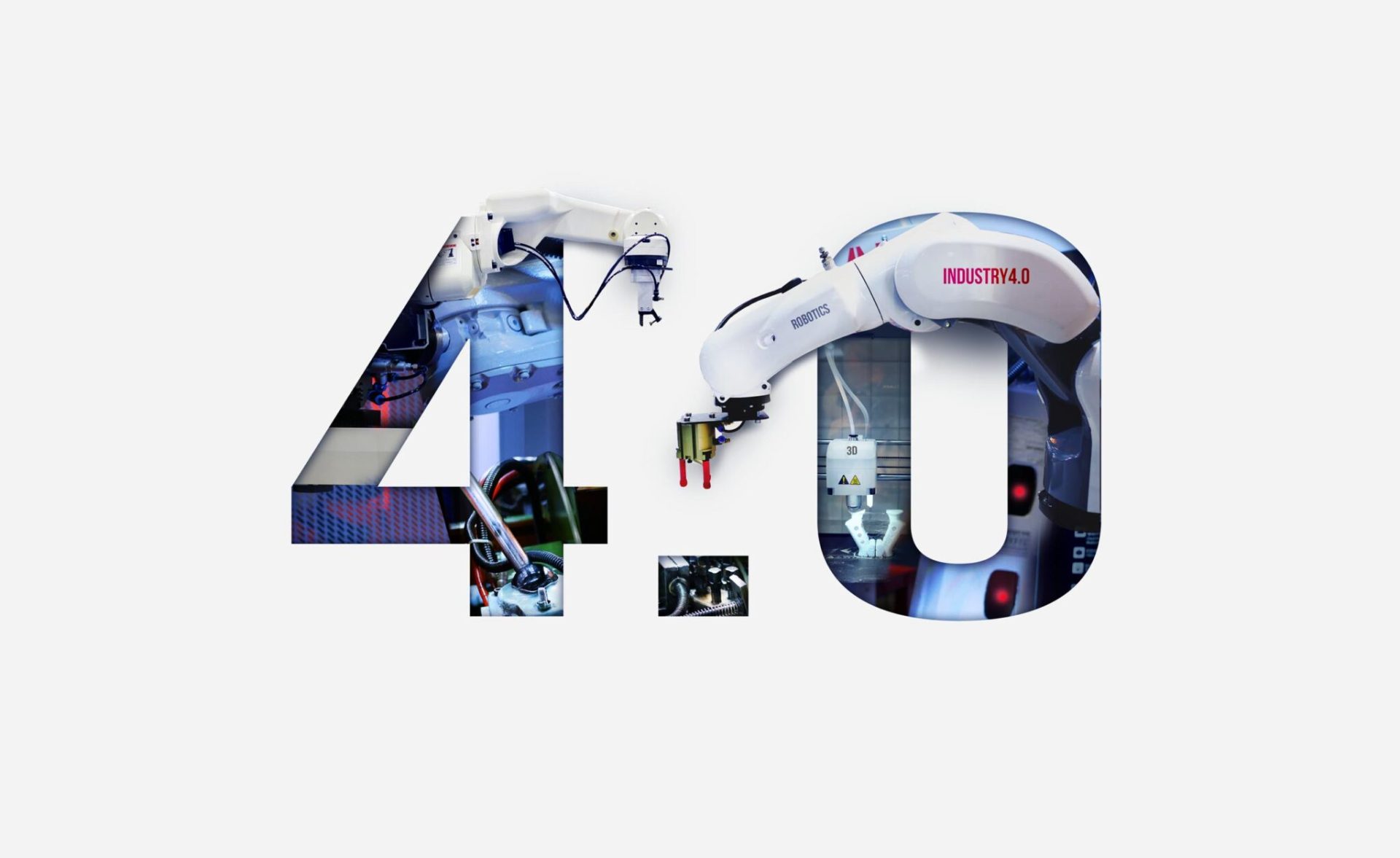
Put the phrase ‘Industry 4.0’ in a headline, and you could risk losing half your audience. Indeed, for some it’s a topic similar to colonising Mars: “great idea, but we have more immediate concerns to worry about!”
The Benefits of Centralized Production Planning Software for Multi-Site Manufacturing

Navigating the complexities of multi-site manufacturing can often feel like a juggling act. With each site having its unique challenges and requirements, ensuring consistency and standardization across the board can be daunting.
One Network Enterprises and Optessa Partner to Offer Transformative Supply Chain Management Services to Optimize Manufacturing

Partnership will enable customers to unify, optimize, and synchronize material flow across the entire supply chain especially in today’s volatile and constrained conditions
Inspired performance: how MES can help with quality control and compliance

Quality and compliance. Two critical aspects of manufacturing that have many things in common in terms of outcomes and escalation procedures. But arguably one of the most important attributes they share is the need for proactive problem resolution.
Manufacturing Industry Partnerships
Made in Britain bring together the British manufacturing community. A not-for-profit organisation, it supports British manufacturers with the licenced official marks. The organisation works collaboratively with UK trade bodies, relevant UK government departments, and the media channels to support skilled jobs, responsible business, and sustainable growth.
Speed to value: manufacturing technology that hits the ground running
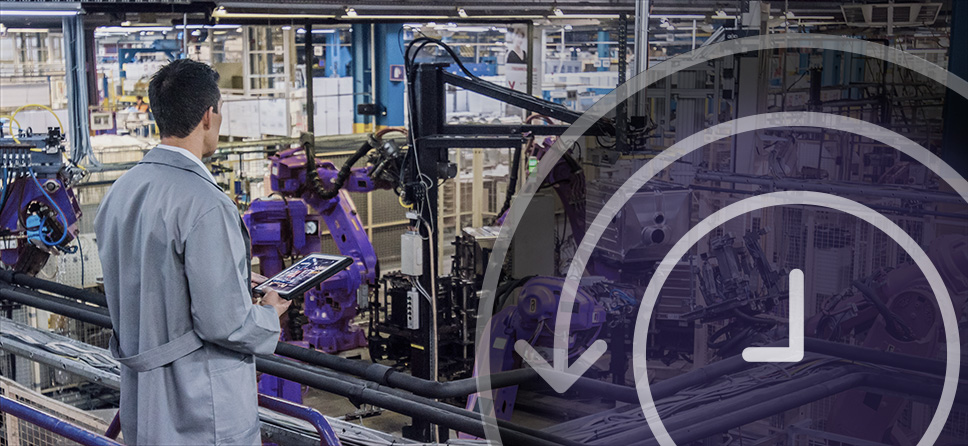
The word ‘value’ can be a slippery eel to define. Certainly, when it comes to the value delivered by information technologies in the manufacturing arena. Here, the word needs to be elastic enough to stretch across a variety of meanings covering:
Digital transformation: a journey, not a destination

Technologies such as AI and robotics continue to promise an exciting future for manufacturers. But the simple truth for most firms, is that before they can take advantage of such potential there are a host of digital capabilities that first need to be mastered.